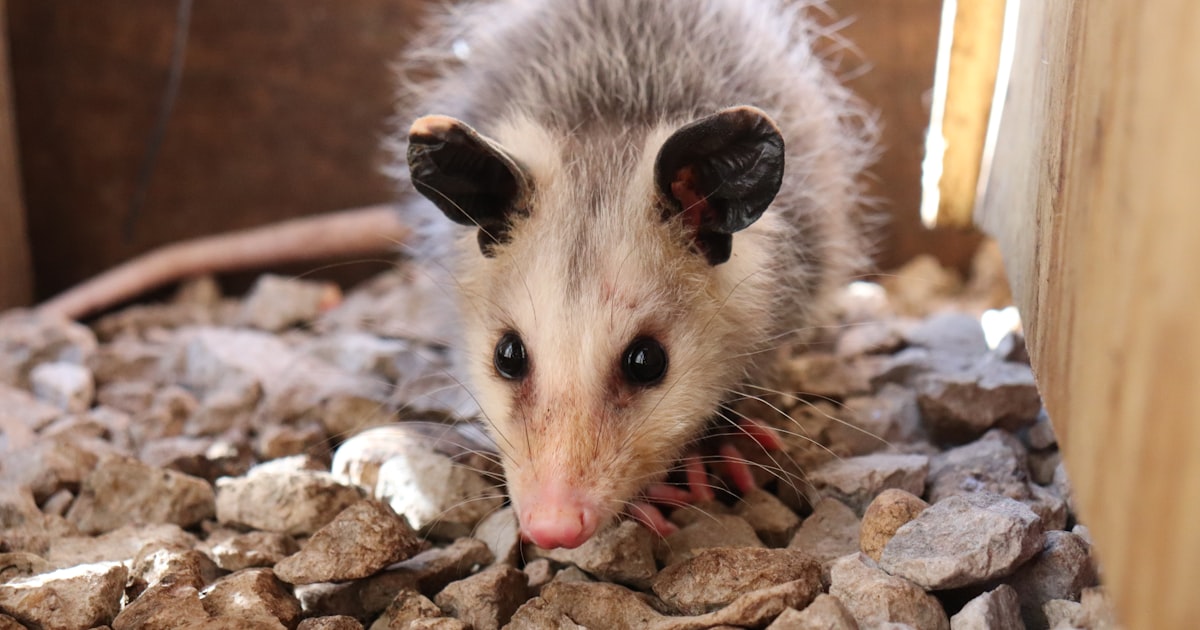
You’ve spent weeks nurturing your veggie patch. The tomatoes are ripening beautifully, the lettuce is lush, and the silverbeet is looking magnificent. You go to bed feeling proud of your garden. You wake up to devastation. Entire plants chewed to the ground. Tomatoes with one bite taken out of each one (the audacity). Corn stalks snapped in half.
Welcome to gardening with possums. It’s a uniquely Australian experience, and if you grow food anywhere near trees, fences, or power lines (so, basically everywhere), you will eventually encounter this furry, nocturnal challenge.
First Things First: Possums Are Protected
Before we go any further, let’s be very clear about this. Possums are protected native wildlife under Australian law. In every state and territory, it is illegal to harm, kill, trap, or relocate possums without a specific permit. Fines can be substantial.
This means the solution is never “get rid of the possums.” The solution is to protect your garden from them while allowing possums to continue doing their possum thing. Coexistence is the goal.
What Do Possums Eat?
The short answer: almost everything. The slightly longer answer: they have favourites, and knowing what those are can help you plan your defence.
Possums are particularly fond of:
- Roses and rosebuds (the flowers, not just the leaves)
- Fruit of all kinds (especially stone fruit, citrus, and berries)
- Leafy greens (lettuce, silverbeet, spinach)
- Herbs (especially parsley and basil)
- Young seedlings (they seem to target the most recently planted things)
- Tomatoes (they’ll take one bite from each fruit, which is somehow more infuriating than eating the whole thing)
- Corn
- Peas and beans
They’re less interested in strongly scented plants like rosemary, lavender, and mint, and they generally avoid chillies and very pungent herbs. But a hungry possum will eat just about anything.
What Actually Works
Physical Barriers (The Gold Standard)
The single most effective way to protect your garden from possums is to physically exclude them. This means netting, caging, or enclosing your growing area.
A possum-proof veg cage is the ultimate solution. This is a fully enclosed structure with a frame (timber, PVC pipe, or metal) covered in sturdy wire mesh or heavy-duty netting. It needs a roof because possums climb, and the netting needs to be secured at ground level because they’ll push underneath if they can.
Key specifications for a possum-proof enclosure:
- Use netting with holes no larger than 20mm (possums can squeeze through surprisingly small gaps)
- Ensure the frame is sturdy enough that possums can’t collapse it by climbing on top
- Secure the base to the ground or weigh it down with bricks, star pickets, or pegs
- Include a door or access panel that latches securely
This is a bigger investment upfront, but it’s the only method that’s close to 100% effective. Many gardeners find that once they build a proper enclosure, the possum problem simply disappears.
PROTECT YOUR HARVEST
Plan your garden with pest protection in mind
VeggieCrush helps you design your garden layout with protection strategies built in. Know what to plant where and how to keep it safe.
Download the free appMotion-Activated Sprinklers
These can be surprisingly effective, at least for a while. Motion-activated sprinklers detect movement and blast a short burst of water, startling the possum and encouraging it to find dinner elsewhere.
The limitation is that possums are clever. Some will eventually figure out the sprinkler’s range and work around it, or simply stop being bothered by it. Rotating the sprinkler’s position regularly helps maintain the surprise factor.
Blood and Bone Fertiliser
Sprinkling blood and bone around your garden beds can deter possums. The strong scent of the blood meal component is unpleasant to them. Reapply after rain, as it washes away.
This works as a mild deterrent but isn’t reliable enough on its own for serious possum pressure. It’s best used as part of a multi-pronged approach.
Strongly Scented Plants as Borders
Planting strongly aromatic herbs and plants around the perimeter of your veggie patch can help discourage possums from entering. Lavender, rosemary, sage, and society garlic all have strong scents that possums tend to avoid.
This won’t stop a determined possum, but it adds another layer of discouragement.
Chicken Wire Cloches
For individual plants or small sections of garden, chicken wire cloches (dome-shaped covers) provide targeted protection. They’re easy to make from a piece of chicken wire bent into a dome shape and pegged to the ground.
These work well for protecting newly planted seedlings until they’re established enough to handle some nibbling.
What Doesn’t Work (Save Your Money)
Garlic spray, chilli spray, and commercial possum repellent sprays might work for a night or two, but possums habituate to them quickly. You’ll spend a fortune on repellent and still lose your lettuce. Reapplication after every rain or heavy dew makes them even less practical.
Fake owls and rubber snakes. Possums figure these out almost immediately. They might even sit on top of the fake owl while eating your tomatoes, just to make a point.
Ultrasonic deterrent devices have very mixed results. Some gardeners swear by them; most find they make no difference at all. Scientific evidence for their effectiveness is limited.
Human hair or dog fur scattered around the garden. An old wives’ tale that persistent possums will ignore completely.
Building a Simple Possum-Proof Veg Cage
You don’t need to be a master builder to put together an effective possum enclosure. Here’s a basic approach:
-
Frame: Use 50mm PVC pipe, treated timber, or galvanised steel. Create a box frame over your raised bed or garden area. For a 2m x 1m bed, you’ll need uprights at each corner (about 1.5m tall) and cross pieces along the top.
-
Covering: Wrap the frame in bird netting (the heavy-duty kind, not the flimsy stuff that tears easily) or weldmesh with small openings. Secure it with cable ties, clips, or wire.
-
Roof: Don’t forget the top. Possums climb like professionals. Attach netting or mesh across the top of the frame.
-
Access: Include a door or a section that lifts up so you can tend your plants and harvest. Velcro strips, bungee cords, or simple latches work for securing the opening.
-
Ground seal: Tuck netting under the edges and weigh it down, or attach it to the raised bed frame. Any gap at ground level is an invitation.
GARDEN SMARTER
Get tips for protecting every crop you grow
VeggieCrush includes pest and wildlife management advice tailored to your plants and your region. Grow food, not frustration.
Download the free appLiving Alongside Wildlife
It can be genuinely frustrating to lose crops to possums. But it’s worth remembering that possums were here long before our veggie patches. They’re an important part of the Australian ecosystem, spreading seeds, pollinating native plants, and providing food for owls and other predators.
The best approach is to protect what matters to you (your food garden) and let possums enjoy the rest of your yard. Many gardeners find that once they have a decent enclosure over their edibles, they actually enjoy watching possums in the garden. They’re curious, often endearing creatures, even if their table manners leave a lot to be desired.
Some gardeners even plant a “possum garden” with plants specifically for wildlife: native grevillea, banksia, and fruit trees that they’re happy to share. It’s a generous approach that benefits both parties.
The Bottom Line
Possums and veggie gardens don’t mix well, but the solution is management, not elimination. Physical barriers are by far the most effective approach. A well-built enclosure solves the problem permanently and lets you garden in peace while possums do their thing in the rest of the yard. It’s the Australian way: sharing the backyard with wildlife, just not the salad.
Get the VeggieCrush App
Join thousands of Aussie gardeners growing better with personalised planting reminders, pest alerts, and expert advice.


Free to download on iOS and Android. No credit card required