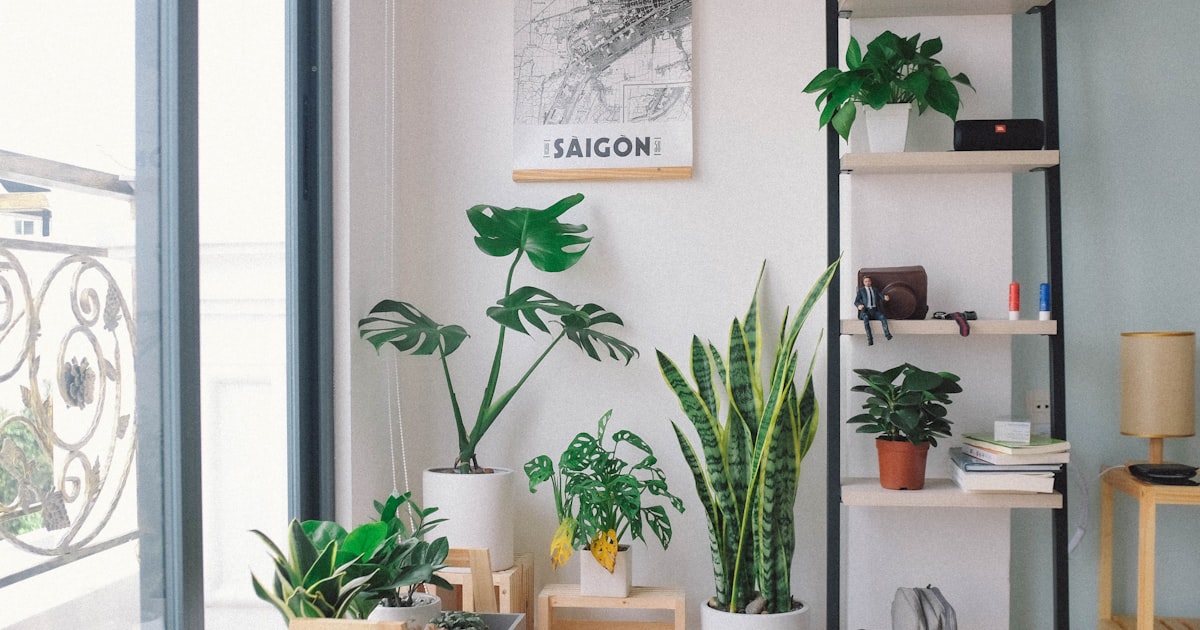
No backyard? No worries. Some of the most impressive food gardens we have seen are growing on apartment balconies, in courtyards, on windowsills, and even on rooftops. You do not need a quarter-acre block to grow your own food. You just need a few containers, some decent potting mix, and a spot with some sunshine.
Container gardening is not a compromise. It is a legitimate, productive way to grow herbs, vegetables, and even some fruits. And in many ways, it is actually easier than gardening in the ground.
Why Containers Are Great
You control the soil. No need to deal with whatever terrible clay or sand your property sits on. You start with fresh, high-quality potting mix every time.
Fewer weeds. Pots get a fraction of the weeds that garden beds do. Less time weeding means more time enjoying your garden.
Portability. Plants getting too much afternoon sun? Move them. Frost coming tonight? Slide them against a warm wall. Renters can take their garden with them when they move.
Pest management. Containers raised off the ground are harder for slugs, snails, and some soil-dwelling pests to reach. It is not a guarantee, but it helps.
Perfect for small spaces. A balcony, a patio, a front step, even a sunny windowsill. If you have a spot that gets some light, you can grow something.
Choosing the Right Containers
Size matters more than you think. The biggest mistake new container gardeners make is choosing pots that are too small.
Size Guide
| Plant Type | Minimum Pot Size |
|---|---|
| Small herbs (basil, parsley, coriander) | 15 to 20cm diameter |
| Larger herbs (rosemary, mint) | 25 to 30cm diameter |
| Lettuce, spring onions | 20 to 25cm diameter |
| Silverbeet, spinach | 25 to 30cm diameter |
| Chillies, bush tomatoes | 30 to 40cm diameter |
| Larger tomatoes, eggplant | 40cm+ diameter |
Material Options
Plastic. Lightweight, cheap, retains moisture well. Not the prettiest, but very functional. Great for balconies where weight is a concern.
Terracotta. Looks beautiful, breathes well (which roots love). But it is heavy, dries out faster, and can crack in frost. Line the inside with plastic if you want to slow down drying.
Fabric grow bags. Increasingly popular and for good reason. They promote excellent root health through air pruning, drain brilliantly, and fold flat for storage. Light and affordable too.
Recycled containers. Old polystyrene boxes from the greengrocer, wooden crates lined with hessian, large tin cans, even old colanders. Anything that holds soil and has drainage works.
The Drainage Situation
This is non-negotiable. Every container needs drainage holes. Waterlogged soil is the number one killer of container plants.
Some people put a layer of gravel or broken pots at the bottom of their containers. Opinions are divided on whether this helps or hinders drainage. Good quality potting mix with adequate drainage holes is generally sufficient on its own, and skipping the gravel layer saves space for more root room.
If you are growing on a balcony, use saucers under your pots to catch runoff. Your neighbours below will thank you.
GROWING IN POTS?
VeggieCrush has container-specific guides
Get pot size recommendations, watering schedules, and feeding reminders tailored to container growing conditions.
Download the free appPotting Mix vs Garden Soil
This is important. Do not fill your containers with soil from the garden. Garden soil compacts in containers, drains poorly, and can bring in weeds, pests, and diseases.
Always use a quality potting mix designed for containers. In Australia, look for the Australian Standards mark on the bag.
- Red tick (Premium): Contains slow-release fertiliser and wetting agent. The best choice.
- Black tick (Regular): Meets basic standards but may need added fertiliser.
Potting mix is lighter, drains better, and is specifically formulated to give container plants what they need.
Best Plants for Containers
Not every plant is suited to container life, but plenty are. Here are some of the best options from the VeggieCrush collection.
Herbs (the container superstars)
- Basil. Classic container plant. Sunny spot, regular water, pinch the tips. Done.
- Mint. Should always be in a container anyway, because it spreads like wildfire in the ground.
- Parsley. Happy in partial shade. Long harvesting period.
- Rosemary. Drought-tolerant once established. Loves a sunny, well-drained pot.
- Coriander. Grows fast, bolts fast. Plant in partial shade and sow new seeds every few weeks.
Leafy Greens
- Loose-leaf lettuce. A wide, shallow pot with 4 to 5 plants gives you salad for weeks.
- Silverbeet. Tough and productive. One plant in a 25cm pot will keep giving.
- Rocket. Peppery and fast-growing. Great in a windowsill pot.
Vegetables
- Spring onions. Barely need any space. A 15cm pot can hold half a dozen.
- Chillies. Compact plants that love the heat. A sunny balcony is perfect.
- Bush tomatoes. Look for dwarf or bush varieties bred for containers. “Tiny Tim” and “Patio Prize” are popular choices.
- Radishes. Fast growing (about 4 weeks), small, and fun.
Balcony Considerations
Growing on a balcony comes with a few unique factors to keep in mind.
Weight
Wet soil is heavy. A large pot filled with moist potting mix can weigh 20kg or more. If you have several, that adds up. Most apartment balconies are structurally fine, but check your building’s guidelines if you are planning a large setup.
Wind
High-rise balconies can be windy, which dries out pots fast and can damage plants. Use heavier pots, group plants together for wind protection, and consider a small windbreak if it is particularly exposed.
Sun Exposure
Balconies often get either intense sun (north or west-facing) or very limited sun (south-facing or overshadowed). Map your light conditions before choosing what to grow. East-facing balconies with morning sun are lovely for most herbs and leafy greens.
Water Runoff
Be considerate of your neighbours. Use saucers under every pot. Water slowly so it absorbs rather than running straight through. Self-watering pots are brilliant for balcony gardening because they minimise runoff.
APARTMENT GARDENER?
Track your container garden in one place
VeggieCrush lets you log all your pots and plants, with tailored watering reminders that account for container growing conditions.
Download the free appWatering Container Plants
Containers dry out much faster than garden beds. This is the single biggest adjustment you will make when growing in pots.
Check daily in warm weather. Stick your finger into the top 2 to 3cm of potting mix. If it feels dry, water. If it is still moist, leave it.
Water deeply. Do not just sprinkle the surface. Water until it runs out the drainage holes. This ensures the entire root zone gets moisture.
Morning is best. Watering in the morning gives plants time to absorb moisture before the heat of the day.
Self-watering pots are genuinely worth the investment, especially if you are forgetful or away a lot. They have a reservoir at the bottom that lets plants draw up water as they need it.
Feeding Container Plants
Because container plants have limited soil volume, nutrients get used up faster than in garden beds. Regular feeding is important.
- Liquid fertiliser (seaweed solution, fish emulsion) every two weeks during the growing season.
- Slow-release fertiliser mixed into the potting mix at planting time gives a steady background feed.
- Refresh the top layer of potting mix every six months or so, or repot completely once a year.
Get Started
You do not need a fancy setup. One pot, some potting mix, and a basil seedling. That is a container garden. Start there, enjoy the process, and add more pots as you gain confidence.
Some of the happiest gardeners we know grow everything on a two-metre balcony. Space is not the limiting factor. Getting started is. So grab a pot and get growing.
Get the VeggieCrush App
Join thousands of Aussie gardeners growing better with personalised planting reminders, pest alerts, and expert advice.


Free to download on iOS and Android. No credit card required