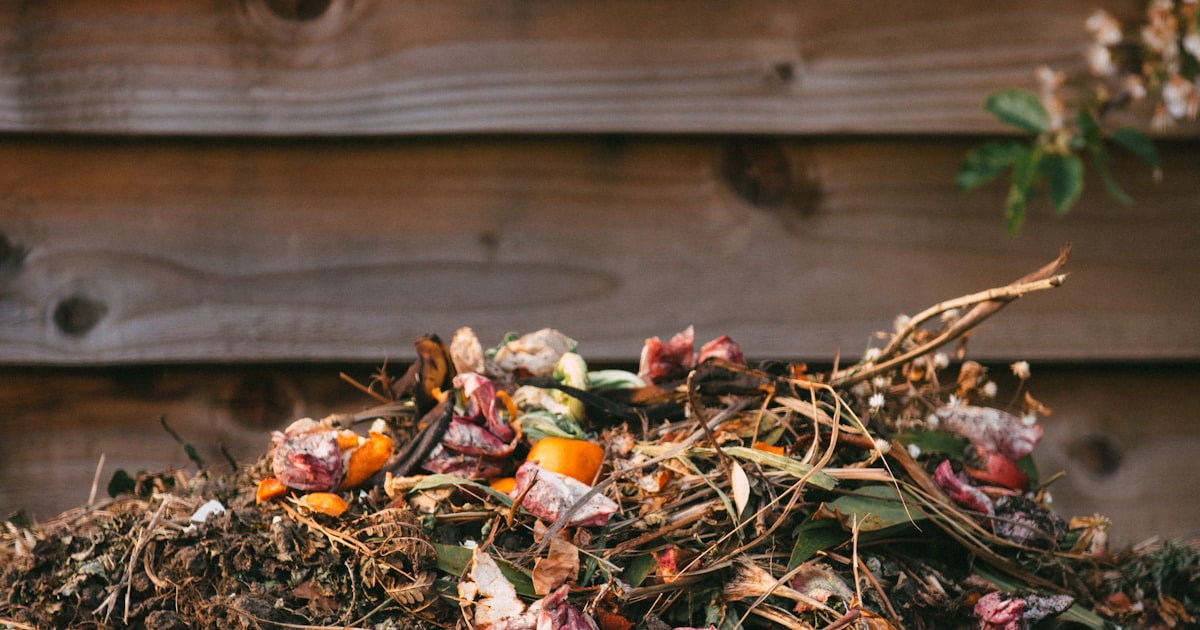
If someone told you that you could turn banana peels, coffee grounds, and dead leaves into the best fertiliser your garden has ever seen, you might think they were having you on. But that is exactly what composting does. It is nature’s recycling programme, and it works brilliantly in Australian backyards.
Whether you have a sprawling property or a tiny courtyard, composting is one of the most rewarding things you can do for your garden (and the planet). Let’s break it down step by step.
Why Bother Composting?
Before we get into the how, let’s talk about the why. Every year, Australian households send roughly 7.6 million tonnes of food waste to landfill. When that organic matter breaks down in landfill without oxygen, it produces methane, a greenhouse gas far more potent than carbon dioxide.
Composting at home diverts that waste and turns it into something genuinely useful: rich, dark, crumbly compost that your plants will absolutely love. It improves soil structure, adds nutrients, helps retain moisture, and encourages beneficial microorganisms. Basically, it is liquid gold in solid form.
Hot Composting vs Cold Composting
There are two main approaches, and both work well in Australia.
Hot Composting
Hot composting is the fast track. You build a large pile (at least 1 cubic metre) all at once, layering greens and browns in the right ratio. The pile heats up to 55 to 65 degrees Celsius, which kills weed seeds and pathogens. You turn it regularly (every few days to weekly), and you can have finished compost in as little as 4 to 8 weeks.
This method is great if you have a lot of material available at once and you want results quickly.
Cold Composting
Cold composting is the “set and forget” approach. You simply add materials as you get them, layer roughly, and let nature do its thing over 3 to 12 months. It is lower effort but takes longer.
For most home gardeners, cold composting is the go. You add scraps as they come, turn the pile when you remember, and eventually end up with beautiful compost.
The Magic Ratio: Greens and Browns
Getting your compost right comes down to one key concept: the balance between “greens” (nitrogen-rich materials) and “browns” (carbon-rich materials). Aim for roughly 2 to 3 parts browns to 1 part greens.
Greens (Nitrogen-Rich)
- Fruit and veggie scraps
- Fresh grass clippings
- Coffee grounds and tea bags (remove staples)
- Fresh garden prunings
- Eggshells (technically neutral, but great for the mix)
- Manure from chickens, cows, horses, or sheep
Browns (Carbon-Rich)
- Dry leaves
- Straw or sugar cane mulch
- Shredded newspaper or cardboard (non-glossy)
- Dry grass clippings
- Small twigs and woody prunings
- Sawdust (untreated timber only)
GROW SMARTER
Track what goes in your garden
VeggieCrush helps you plan your garden and keep track of soil health, including when to add that lovely homemade compost.
Download the free appWhat NOT to Put in Your Compost
This bit is important. Some things will make your compost smelly, attract pests, or introduce diseases.
Never add:
- Meat, fish, or bones (attracts rats and flies)
- Dairy products (smells awful and attracts pests)
- Cooked food with oils or sauces
- Pet waste from dogs or cats (can contain harmful pathogens)
- Diseased plants
- Weeds that have gone to seed (unless hot composting properly)
- Treated timber or sawdust
- Glossy or coloured paper
Choosing a Bin (or Not)
You have plenty of options depending on your space and budget.
Open Heap
The simplest approach. Just pile your materials in a corner of the yard. Works best if you have a bit of space and do not mind the look. Free, effective, and very Aussie.
Compost Bin (Plastic or Timber)
The classic backyard compost bin. You can grab a basic plastic one from Bunnings for around $30 to $50, or build a timber bay from pallets for free. A bin keeps things tidy and retains heat and moisture better than an open heap.
Tumbler
A rotating drum on a stand. Great for small spaces, easy to turn, and keeps pests out. They cost more ($80 to $250) but are convenient for balconies or courtyard gardens.
Worm Farm
Technically vermicomposting rather than traditional composting, but worth a mention. Worms eat your kitchen scraps and produce worm castings (incredible fertiliser) and worm “tea” (liquid fertiliser). Perfect for units and small spaces.
Bokashi Bin
A fermentation system that works indoors. You can add meat and dairy to bokashi (unlike regular compost). The fermented material then gets buried in the garden or added to a compost bin to finish breaking down.
Step by Step: Starting Your First Compost
-
Pick your spot. Choose a level, well-drained area with some shade. Full sun in an Australian summer will dry your pile out fast. Under a tree is ideal.
-
Start with a brown layer. Lay down about 10 to 15cm of straw, dry leaves, or shredded cardboard as your base. This helps with drainage and airflow.
-
Add a green layer. Toss in your kitchen scraps, fresh garden clippings, or grass cuttings. About 5 to 10cm.
-
Keep alternating. Continue layering browns and greens as materials become available. Think of it like making a lasagne.
-
Add water. Your compost should be about as moist as a wrung-out sponge. Not dripping wet, not bone dry.
-
Turn it. Every week or two, give it a turn with a garden fork to introduce oxygen. This speeds things up and prevents bad smells.
-
Wait. In Australian conditions, you can expect usable compost in 8 to 12 weeks with regular turning, or 6 to 12 months with a more relaxed approach.
PERFECT TIMING
Know when your soil needs a boost
VeggieCrush sends you reminders for feeding your garden, so you always know when to spread that fresh compost around your veggies.
Download the free appDealing with Australian Summer Heat
Composting in Australia has one big advantage and one big challenge, and they are the same thing: heat.
Summer temperatures accelerate decomposition wonderfully. A compost pile that might take months in a cooler climate can be ready in weeks here. But that heat also dries things out rapidly.
Tips for hot weather composting:
- Water your pile regularly, especially during heatwaves
- Place your bin in a shaded spot
- Add extra wet greens (watermelon rinds are perfect in summer)
- Cover the top with damp hessian or cardboard to reduce evaporation
- If using a tumbler, do not leave it in full sun or it can get too hot and kill the beneficial organisms
Troubleshooting: When Things Go Wrong
It smells bad
Your pile is probably too wet or has too many greens. Add more browns (dry leaves, shredded paper, straw) and turn it to introduce air. The smell should clear within a day or two.
It is not breaking down
Could be too dry, too compact, or not enough greens. Add water, turn it, and toss in some nitrogen-rich material like fresh grass clippings or a handful of blood and bone.
There are ants everywhere
The pile is too dry. Give it a good soaking and turn it.
Fruit flies
Cover fresh food scraps with a layer of browns every time you add them. This also helps with any smells.
Rats or mice
Make sure you are not adding meat or cooked food. Use a bin with a solid base and lid. If problems persist, switch to a sealed tumbler or bokashi system.
How Do You Know It is Ready?
Finished compost is dark brown, crumbly, and smells like fresh earth. You should not be able to recognise any of the original ingredients (except maybe the odd eggshell or avocado pit). It feels cool to the touch and has a pleasant, earthy aroma.
If some bits are not quite done, just sieve them out and toss them back into the next batch.
Using Your Compost
Once your compost is ready, you can:
- Dig it into garden beds before planting
- Use it as a top dressing around existing plants
- Mix it into potting mix for containers (use roughly one third compost to two thirds potting mix)
- Spread it on your lawn
- Make compost tea by steeping a handful in a bucket of water overnight, then use the liquid as a gentle fertiliser
Start Small, Keep Going
You do not need a fancy setup to start composting. A simple pile in the corner of your yard and a bit of patience is all it takes. Once you see that first batch of dark, rich compost and watch your plants respond to it, you will wonder why you did not start sooner.
Your kitchen scraps are not rubbish. They are garden gold waiting to happen. Happy composting!
Get the VeggieCrush App
Join thousands of Aussie gardeners growing better with personalised planting reminders, pest alerts, and expert advice.


Free to download on iOS and Android. No credit card required