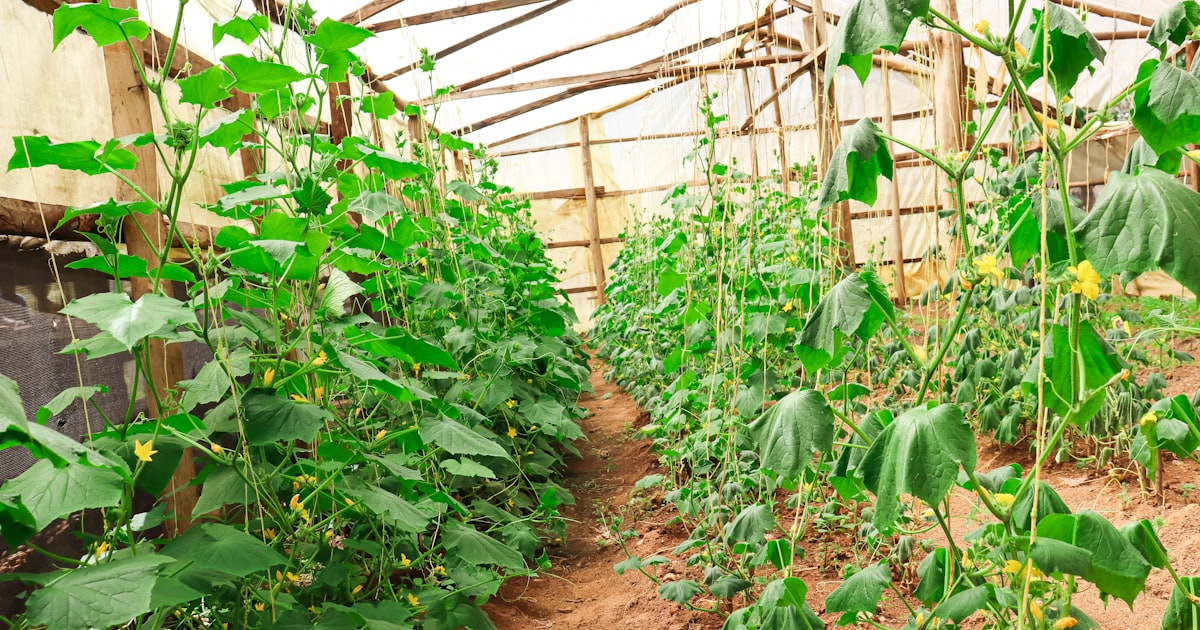
Plants are a bit like people. Some get along brilliantly, bringing out the best in each other. Others? Not so much. Companion planting is the art of putting the right plants next to each other so everyone thrives. It is one of the oldest gardening tricks in the book, and once you get the hang of it, your garden will practically look after itself.
Well, almost.
Why Companion Planting Works
It is not magic (though it sometimes feels like it). There are real, practical reasons why certain plants do better side by side.
Pest Deterrence
Some plants produce scents or chemicals that confuse or repel pests. Basil planted near tomatoes helps keep aphids and whitefly at bay. Marigolds are practically the bouncers of the garden world, keeping nematodes, aphids, and a bunch of other troublemakers away from your veggies.
Nutrient Sharing
Legumes (beans, peas) have a superpower: they pull nitrogen from the air and fix it in the soil through their roots. Plant them near heavy feeders like corn or brassicas, and they will top up the soil nutrients for free.
Pollinator Attraction
Flowering herbs and companion plants attract bees, hoverflies, and other pollinators to your patch. More pollinators means better fruit set on your tomatoes, cucumbers, zucchini, and just about everything else.
Physical Support
The classic “Three Sisters” planting from Indigenous American agriculture is a perfect example: corn provides a structure for beans to climb, beans fix nitrogen for the corn, and squash sprawls at the base, shading the soil and suppressing weeds. Everyone wins.
Shade and Shelter
Tall plants can shelter smaller, more delicate ones from harsh afternoon sun. Lettuce tucked under the shade of taller tomato plants will last weeks longer in summer.
SMART COMPANION SUGGESTIONS
Take the guesswork out of planting combos
VeggieCrush shows you companion planting recommendations right in the app when you plan your garden. Good neighbours, guaranteed.
Download the free appClassic Companion Combos
These are the tried and true pairings that gardeners around Australia swear by.
Tomato + Basil
The ultimate duo, in the garden and on the plate. Basil repels aphids, whitefly, and even mosquitoes. Some gardeners reckon it improves the flavour of the tomatoes, too. Whether or not that is scientifically proven, they taste brilliant together in a salad, so you may as well plant them together.
Beans + Corn + Squash (Three Sisters)
The legendary combo. Corn gives beans a pole to climb. Beans fix nitrogen. Squash shades the ground and keeps weeds down. This is companion planting at its finest.
Carrots + Spring Onions
Carrots repel onion fly. Onions repel carrot fly. They are basically each other’s bodyguards.
Marigolds + Everything
Seriously. French marigolds (Tagetes patula) should be in every veggie garden. They repel aphids, whitefly, and nematodes. They attract hoverflies and other beneficial insects. Plant them as borders around your beds and you will notice the difference.
Lettuce + Tall Crops
Lettuce bolts (goes to seed) quickly in heat. Tuck it between or under taller plants like tomatoes, corn, or sunflowers for natural shade. It will stay harvestable for much longer.
Dill + Cabbage Family
Dill attracts beneficial wasps that prey on cabbage moth caterpillars. Just be aware that dill can inhibit carrot growth when planted too close, so keep some distance between them.
The Companion Planting Table
Here is a quick reference of common pairings. Keep in mind that companion planting is part science, part tradition, and part “it just seems to work.” Do not stress if your garden is not perfectly arranged.
| Plant | Good Companions | Bad Companions |
|---|---|---|
| Tomato | Basil, carrot, marigold, parsley, chives | Fennel, brassicas |
| Basil | Tomato, capsicum, lettuce | Rue, sage |
| Beans | Corn, squash, carrot, cucumber, lettuce | Onion, garlic, chives, fennel |
| Carrot | Spring onion, leek, tomato, lettuce, rosemary | Dill, parsnip |
| Lettuce | Carrot, radish, strawberry, chives, beans | Fennel |
| Cucumber | Beans, corn, peas, dill, sunflower | Potato, aromatic herbs (sage) |
| Capsicum | Basil, tomato, carrot, onion | Fennel, kohlrabi |
| Zucchini | Corn, beans, nasturtium, marigold | Potato |
| Brassicas | Dill, chamomile, celery, onion, thyme | Tomato, strawberry, beans |
| Corn | Beans, squash, pumpkin, cucumber | Tomato, celery |
| Peas | Carrot, turnip, radish, cucumber, corn | Onion, garlic, chives |
| Radish | Lettuce, peas, beans, cucumber, spinach | Hyssop |
| Garlic | Roses, tomato, beetroot, lettuce | Beans, peas |
| Strawberry | Lettuce, spinach, borage, thyme | Brassicas, fennel |
| Eggplant | Beans, capsicum, spinach, thyme | Fennel |
Plants That Should NOT Be Together
Some pairings genuinely cause problems. Here are the main ones to avoid.
Fennel
Fennel is the garden loner. It inhibits the growth of most other plants and should be grown well away from your veggie patch. Give it its own pot or a far corner of the yard.
Onion Family + Beans/Peas
Alliums (onions, garlic, chives, leeks) can stunt the growth of beans and peas. Keep them in separate beds.
Dill + Carrots
They are in the same family (Apiaceae) and can cross-pollinate, which is a problem if you are saving seed. Dill can also inhibit carrot growth when planted too close.
Potatoes + Tomatoes
Both are nightshades and share the same diseases. Planting them together increases the risk of blight spreading through your entire crop.
PLAN YOUR GARDEN LAYOUT
See which plants love being neighbours
VeggieCrush flags companion planting suggestions and warnings as you add plants to your garden plan. No more accidental bad neighbours.
Download the free appHow to Get Started
If you are new to companion planting, here is a simple approach.
- Pick your main crop. What do you most want to grow? Tomatoes? Lettuce? Beans?
- Add one or two companions. Check the table above and pop in a good neighbour. Basil with tomatoes. Marigolds around the edge.
- Avoid the known bad combos. Keep fennel away from everything. Keep alliums away from legumes. Easy.
- Observe and learn. Every garden is different. Pay attention to what thrives and what struggles. Your own experience will teach you more than any planting chart.
The Bigger Picture: Biodiversity
Companion planting is really about creating biodiversity in your garden. A diverse garden is a resilient garden. When you mix up your plantings instead of growing everything in neat monoculture rows, you create a little ecosystem. Beneficial insects move in. Soil health improves. Pest outbreaks are less likely to wipe out everything.
Think of your garden as a community, not a factory. The more variety, the better everyone does.
Final Thoughts
Companion planting is one of those gardening skills that sounds complicated but is really just about paying attention. Start simple, experiment a bit, and do not be afraid to break the “rules.” The best gardens are the ones where you are having fun and learning as you go.
And if you ever get confused about what goes where, well, that is exactly the kind of thing VeggieCrush can help with. Just saying.
Get the VeggieCrush App
Join thousands of Aussie gardeners growing better with personalised planting reminders, pest alerts, and expert advice.


Free to download on iOS and Android. No credit card required