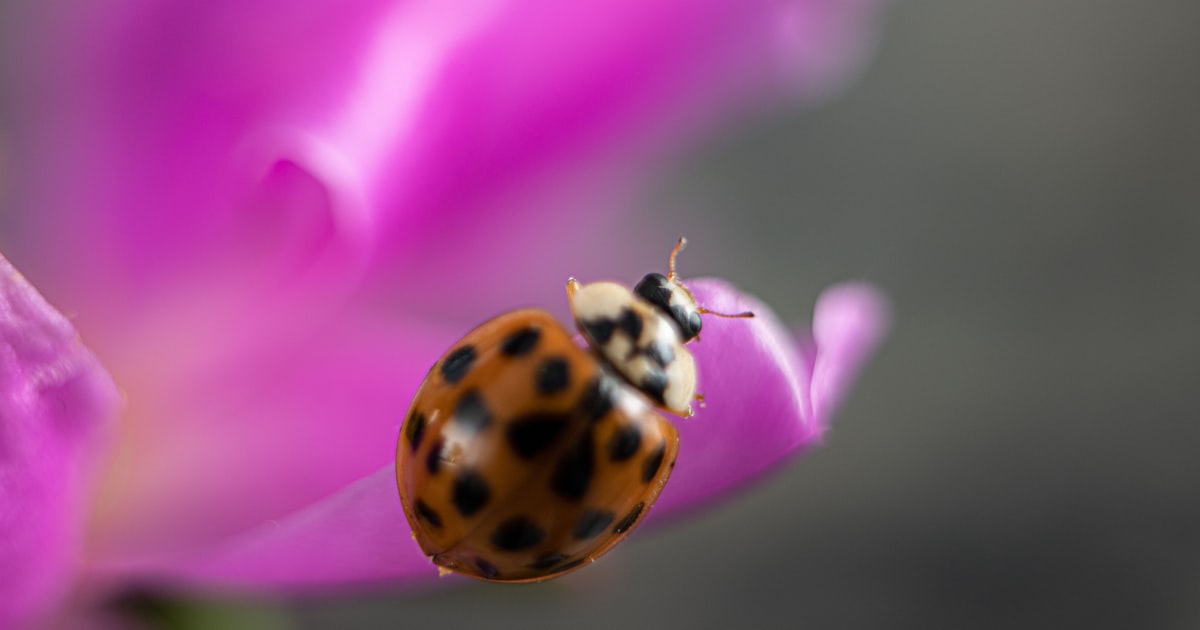
Here is a secret that every experienced gardener knows: the best pest control in your garden is not a spray bottle. It is other insects. The right bugs in the right numbers will do more to protect your crops than any product you can buy, and they work for free.
Let us meet the good guys and learn how to roll out the welcome mat for them.
Why Beneficial Insects Matter
A healthy garden is not a bug-free garden. It is a garden where the good insects outnumber the bad ones. When you have thriving populations of predators and pollinators, pest outbreaks are shorter, less severe, and often sort themselves out without any intervention from you.
The trick is creating an environment where beneficial insects want to live, breed, and hang around. That means planting the right flowers, providing habitat, and most importantly, putting down the broad-spectrum sprays.
Australian Native Bees
Australia is home to over 1,700 species of native bees, and they are absolute superstars in the garden. Unlike the European honeybee, most of our native bees are solitary and stingless (or nearly so), making them safe and wonderful garden companions.
Blue-Banded Bee
This stunning bee has brilliant metallic blue stripes on its abdomen. It is a “buzz pollinator,” which means it vibrates flowers at a specific frequency to release pollen. This makes it especially effective at pollinating tomatoes, eggplant, and capsicum, crops that honeybees are not great at pollinating.
Teddy Bear Bee
Round, furry, and golden brown, teddy bear bees look exactly like tiny flying teddy bears. They are also buzz pollinators and are particularly active in warmer months. They nest in the ground, so leaving some bare patches of soil in your garden gives them a home.
Stingless Bees (Tetragonula and Austroplebeia)
Found in warmer parts of Australia, stingless bees are tiny social bees that can be kept in hive boxes. They produce a small amount of unique, tangy honey (called sugarbag honey) and are incredible pollinators for small-flowered crops. If you are in Queensland, northern New South Wales, or the Northern Territory, consider getting a hive.
Predator Insects: Your Pest Control Team
These are the insects that actively hunt and eat garden pests. Get to know them so you do not accidentally squash your allies.
Ladybirds (Ladybugs)
The classic beneficial insect. Both adult ladybirds and their larvae (which look like tiny black and orange alligators) are voracious aphid eaters. A single ladybird can eat over 5,000 aphids in its lifetime. They also eat scale, mites, and mealybugs.
Do not confuse ladybird larvae with pests. They look nothing like the adults, and many gardeners mistakenly kill them. Learn to recognise them.
Hoverflies
These small flies look like tiny bees or wasps but are completely harmless. The adults feed on nectar and pollen, making them excellent pollinators. Their larvae are the real heroes, as they eat aphids at an impressive rate. One hoverfly larva can consume up to 400 aphids during its development.
Lacewings
Delicate, pale green insects with lacy wings. The adults are pretty but it is the larvae (sometimes called “aphid lions”) that do the heavy lifting. They eat aphids, caterpillar eggs, thrips, whitefly, and mites. Lacewing larvae are so effective at pest control that they are commercially bred and released in some agricultural systems.
Parasitic Wasps
Do not panic at the word “wasp.” These are tiny, non-stinging wasps that lay their eggs inside pest insects like caterpillars, aphids, and whitefly. The wasp larvae develop inside the host, eventually killing it. It sounds gruesome, but it is one of nature’s most effective pest control methods.
If you see aphids that have turned brown and papery (called “mummies”), parasitic wasps are at work. Leave them be.
BUILD A BIODIVERSE GARDEN
Learn which plants attract the good bugs
VeggieCrush includes companion planting guides that show you which flowers to add alongside your veggies to boost beneficial insect populations.
Download the free appPraying Mantis
These impressive predators eat almost anything they can catch, including caterpillars, beetles, and even small grasshoppers. They are ambush predators that sit and wait on plants for prey to come close. Having a few mantises patrolling your garden is a very good sign.
Ground Beetles
Often overlooked because they are active at night, ground beetles are phenomenal pest controllers. They eat slugs, snails, caterpillars, and soil-dwelling pest larvae. They hide under mulch and leaf litter during the day, so keeping a layer of mulch on your beds encourages them.
What to Plant to Attract Beneficial Insects
Beneficial insects need two things from plants: nectar and pollen for food, and shelter for breeding. Here are the best plants to include in your garden.
The Must-Haves
Alyssum is possibly the single best plant for attracting beneficial insects. Its tiny, clustered flowers produce nectar over a long season and are perfectly sized for small beneficial insects like hoverflies and parasitic wasps. Scatter it through your veggie beds as a living mulch.
Marigolds attract hoverflies and lacewings, and their roots produce chemicals that deter nematodes. French marigolds are the best choice for veggie gardens.
Borage produces blue, star-shaped flowers that bees (both native and European) absolutely love. It self-seeds freely and also attracts predatory wasps. As a bonus, the flowers and leaves are edible.
Calendula blooms for months and attracts ladybirds, hoverflies, and lacewings. It is also a companion planting champion that fits in almost any garden bed.
Cosmos produces masses of daisy-like flowers that attract a huge range of beneficial insects. The feathery foliage provides shelter too.
Zinnia is another prolific bloomer that draws in beneficial insects and butterflies. The variety of colours and sizes makes them a fun addition to any garden.
Nasturtium attracts aphids (which sounds bad, but keep reading). It acts as a “trap crop,” luring aphids away from your vegetables. The aphid populations on nasturtiums then attract ladybirds and hoverflies, building up your predator populations.
Beneficial Insect Reference Table
| Beneficial Insect | What It Eats | Plants That Attract It |
|---|---|---|
| Ladybird | Aphids, scale, mites, mealybugs | Calendula, dill, fennel, marigold |
| Hoverfly | Aphids (larvae), pollen (adults) | Alyssum, calendula, coriander, dill |
| Lacewing | Aphids, thrips, whitefly, mites | Cosmos, dill, fennel, yarrow |
| Parasitic Wasp | Caterpillars, aphids, whitefly | Alyssum, borage, dill, parsley |
| Native Bee | Pollinator (not a predator) | Borage, lavender, rosemary, salvia |
| Ground Beetle | Slugs, snails, caterpillars | Mulch, ground cover, log piles |
| Praying Mantis | Caterpillars, beetles, grasshoppers | Tall grasses, shrubs, cosmos |
Building Insect Hotels
Insect hotels provide nesting sites for solitary bees, lacewings, and other beneficial insects. You can buy them ready-made or build your own from scrap materials.
A simple insect hotel needs:
- Hollow stems (bamboo cut into sections, or elderberry stems with the pith removed) for solitary bees
- Bundled sticks and bark for lacewings and beetles
- Pine cones for ladybirds
- Drilled hardwood blocks (holes 3 to 10 millimetres wide, at least 10 centimetres deep) for native bees
Mount your hotel in a sheltered spot that gets morning sun. Face it north or east. Keep it off the ground to avoid moisture damage.
Why You Should Avoid Broad-Spectrum Sprays
This is possibly the most important section in this entire article.
Broad-spectrum insecticides (even many “organic” ones like pyrethrum) kill indiscriminately. They wipe out beneficial insects alongside the pests. The problem is that pest populations bounce back much faster than predator populations, because pests reproduce more quickly and have fewer natural enemies left.
The result? You spray, the pests come back worse, you spray more, and you end up on a chemical treadmill with fewer and fewer beneficial insects to help you.
If you must intervene, use targeted approaches:
- Bt (Bacillus thuringiensis) for caterpillars only
- Neem oil for soft-bodied insects (use in the evening when bees are not active)
- Horticultural soap for aphids and whitefly (direct contact only)
- Hand picking for large, visible pests
ORGANIC PEST MANAGEMENT
Manage pests without harming the good guys
VeggieCrush helps you identify pests and suggests targeted, organic solutions that protect your beneficial insect populations.
Download the free appCreating Habitat
Beyond planting flowers and building hotels, here are more ways to make your garden insect-friendly.
Ground cover. Low-growing plants like thyme, clover, and native groundcovers give ground beetles and spiders shelter.
Mulch. A good layer of organic mulch provides habitat for ground-dwelling predators and retains moisture that insects need.
Water sources. A shallow dish with pebbles and water gives bees and other insects a place to drink without drowning. Change the water every couple of days to prevent mosquito breeding.
Leaf litter. Resist the urge to tidy up every fallen leaf. A bit of leaf litter provides shelter for beneficial insects to overwinter.
Diverse plantings. Monocultures attract pests. Diversity attracts beneficial insects. Mix flowers, herbs, and vegetables throughout your garden.
Wrapping Up
Your garden is an ecosystem, and beneficial insects are the invisible workforce that keeps it running smoothly. By planting the right flowers, providing habitat, and resisting the urge to reach for the spray bottle, you can build a garden that largely manages its own pest problems.
Start by scattering some alyssum and calendula through your veggie beds. Add a few marigolds and a patch of borage. Mulch well and leave a few wild corners. The good guys will find you, and once they move in, pest problems become a whole lot less stressful. Happy growing.
Get the VeggieCrush App
Join thousands of Aussie gardeners growing better with personalised planting reminders, pest alerts, and expert advice.


Free to download on iOS and Android. No credit card required