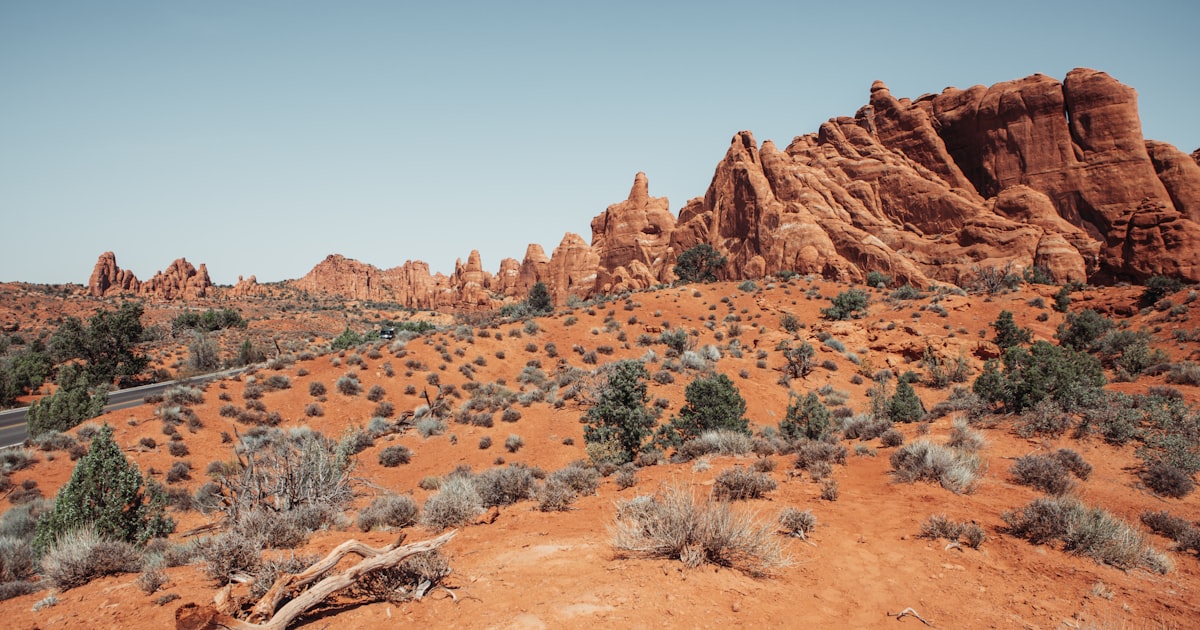
Gardening in arid Australia is a completely different game. Out here, the rules that work on the coast do not always apply. The growing season is flipped, water is precious, and summer heat can be genuinely brutal. But with the right timing and a few clever techniques, you can grow an impressive amount of food even in the driest parts of the country.
This month-by-month calendar is designed for gardeners in Central Australia, inland Queensland, western NSW, and other arid regions. Let’s get into it.
Before We Start: The Arid Mindset
Gardening in arid zones means embracing a few key principles:
- The cooler months are your prime growing season. Autumn through to early spring is when most of the magic happens.
- Summer is about survival, not production. Your job in the hottest months is to keep things alive, not to push for big harvests.
- Water conservation is everything. Wicking beds, deep mulch, drip irrigation, and shade structures are not luxuries; they are essentials.
- Soil building never stops. Arid soils are often sandy or clay heavy, so adding organic matter constantly is critical.
January: Hunker Down
This is peak heat. Daytime temperatures regularly exceed 40 degrees, and the sun is relentless.
- Plant: Very little. If you have good shade structures, you might get away with fast-growing leafy greens like rocket or lettuce in a protected spot.
- Harvest: Whatever is still producing from autumn plantings. Melons, sweet potatoes, and okra can handle the heat.
- Key tasks: Focus on watering deeply in the early morning. Check shade cloth is secure. Mulch everything heavily. Repair any irrigation leaks.
February: Still Hot, Start Planning
February is more of the same, but you can start looking ahead.
- Plant: Late February, start seedlings of tomatoes, capsicums, and eggplant indoors or in a shadehouse for planting out in March or April.
- Harvest: Melons, figs, any late summer crops still holding on.
- Key tasks: Prepare beds for the autumn planting rush. Add compost and replenish mulch. Order seeds.
March: The Season Begins
As temperatures start to ease, the real growing season kicks off.
- Plant: Tomatoes, capsicums, eggplant (transplant seedlings started in February). Direct sow beans, cucumber, pumpkin, zucchini, corn. Start brassica seedlings (broccoli, cauliflower, cabbage) for transplanting in April.
- Harvest: Figs, sweet potatoes, any lingering summer crops.
- Key tasks: Set up shade cloth for new transplants. Establish drip irrigation for new plantings.
NEVER MISS A PLANTING WINDOW
Get arid zone planting reminders
VeggieCrush sends you timely alerts based on your climate zone, so you always know what to plant and when in your arid garden.
Download the free appApril: Full Steam Ahead
April is one of the best months for arid zone gardeners. The heat has backed off, and conditions are just right.
- Plant: Lettuce, spinach, silverbeet, kale, bok choy, Asian greens, peas, broad beans, onions, garlic, beetroot, carrots, radish, turnips. Transplant brassicas.
- Harvest: Early beans, zucchini, tomatoes (if planted early enough).
- Key tasks: Succession plant leafy greens every two weeks for continuous harvest. Protect young seedlings from any remaining hot days.
May: Cool Season Paradise
This is peak productivity in the arid zone. The weather is mild and perfect for growing.
- Plant: More of everything from April. Add coriander, dill, parsley, fennel. Sow more peas and broad beans. Plant strawberry runners.
- Harvest: Leafy greens, radish, early carrots, herbs, brassicas.
- Key tasks: Keep up with watering, even though it is cooler. The air is still very dry, and evaporation continues. Side dress crops with compost or worm castings.
June: Frost Watch
In many arid areas, winter nights bring frost. Clear desert skies mean heat radiates away fast after sunset.
- Plant: Hardy crops: broad beans, peas, garlic, onions, Asian greens. Succession plant lettuce and spinach under protection if frost is heavy.
- Harvest: Brassicas, leafy greens, peas, root vegetables, herbs.
- Key tasks: Protect frost-sensitive plants with cloth covers overnight. Water in the morning, not the evening. Mulch heavily to insulate root zones.
July: Deep Winter
The coldest month in most arid areas, but still productive if you plan for it.
- Plant: More garlic, onions, broad beans. Start tomato and capsicum seeds indoors towards the end of the month for spring planting.
- Harvest: Root vegetables, brassicas, peas, broad beans, leafy greens.
- Key tasks: Continue frost protection. Turn compost. Plan the spring garden. Maintain irrigation systems.
August: Spring Is Coming
Days are getting longer and warmer. It is time to start preparing for the heat.
- Plant: Start warm-season seedlings indoors (tomatoes, capsicums, eggplant, cucumbers, pumpkins). Direct sow beetroot, carrots, lettuce, spinach.
- Harvest: The last of the brassicas, root vegetables, peas.
- Key tasks: Prepare beds for warm-season crops. Check shade structures. Start hardening off indoor seedlings.
September: Transition Time
Spring in the arid zone can be glorious, but temperatures climb fast.
- Plant: Transplant warm-season seedlings once frost risk has passed. Direct sow beans, corn, melons, cucumbers. Plant sweet potato slips.
- Harvest: Broad beans, last of the cool-season crops.
- Key tasks: Set up shade cloth early. Ensure irrigation is working perfectly. Mulch new plantings immediately.
GARDEN SMARTER IN TOUGH CONDITIONS
Track what thrives in your arid patch
VeggieCrush lets you log which varieties handle the heat and the cold, building your own personalised knowledge base for arid gardening success.
Download the free appOctober: The Heat Returns
From here, you are racing against the rising heat.
- Plant: Last chance for warm-season crops. Plant quick-maturing varieties of beans, cucumbers, and squash. Basil, sunflowers.
- Harvest: Early tomatoes, beans, herbs.
- Key tasks: Increase watering frequency. Shade cloth is now essential for most crops. Mulch, mulch, mulch.
November: Managing the Heat
Temperatures are climbing seriously now.
- Plant: Heat-tolerant crops only: okra, sweet potatoes, snake beans, rosella. It is too late for most other things.
- Harvest: Tomatoes, capsicums, eggplant, beans, cucumbers, melons.
- Key tasks: Water deeply and early. Provide maximum shade for anything still producing. Harvest frequently to keep plants productive.
December: Winding Down
The extreme heat returns, and the garden goes into survival mode.
- Plant: Almost nothing. Focus on maintaining what you have.
- Harvest: Late tomatoes, melons, figs, okra, sweet potatoes.
- Key tasks: Deep water in the early morning. Harvest everything that is ripe. Start saving seed from your best performers. Rest, plan, and dream about March.
Arid Zone Essentials
Here are the non-negotiable tools and techniques for arid zone gardening:
- Wicking beds. Self-watering beds that use up to 50% less water than conventional gardening.
- Shade cloth. 30 to 50% shade cloth in summer is essential for most food crops.
- Deep mulch. At least 10 cm of organic mulch on every bed, all year round.
- Drip irrigation. Delivers water directly to roots with minimal waste.
- Windbreaks. Hot, dry winds desiccate plants faster than heat alone. Shelter is critical.
- Heat-tolerant varieties. Seek out varieties bred for hot conditions. Talk to local gardeners and seed savers.
The Reward
Arid zone gardening is not easy. It takes planning, patience, and respect for the conditions. But there is something deeply satisfying about growing food where most people think it cannot be done. The flavour of a tomato grown in dry desert air, ripened slowly in autumn sunshine, is something truly special.
Work with the seasons, not against them, and your arid garden will reward you generously.
Get the VeggieCrush App
Join thousands of Aussie gardeners growing better with personalised planting reminders, pest alerts, and expert advice.


Free to download on iOS and Android. No credit card required